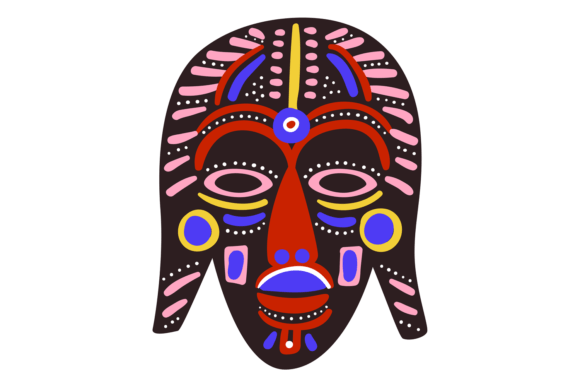
African Ornament Mask: A Decorative Traditional Typeface
There are typefaces that simply sit on a page, and then there are typefaces that speak. The African Ornament Mask font collection belongs firmly in the latter category. It’s more than a set of letters; it’s a visual language rooted in the rich, expressive traditions of African art. For designers, entrepreneurs, and creators looking to inject a project with authentic character and cultural depth, this decorative traditional font offers a powerful and versatile tool. Its personality is bold, confident, and deeply artistic, making it an ideal choice when you need to make an immediate and memorable statement.
The Visual Soul of the Typeface
At its core, the African Ornament Mask typeface draws direct inspiration from the intricate patterns, symbolic shapes, and bold forms found in traditional masks and textiles. Each letterform is crafted with a distinct, hand-carved quality. You’ll notice sharp, geometric angles softened by organic curves, mimicking the way wood or metal is shaped by an artisan’s hand. The letterforms often feature intricate internal patterns—dots, lines, and abstract shapes that fill the counters and strokes, much like the decorative engravings on a ceremonial mask.
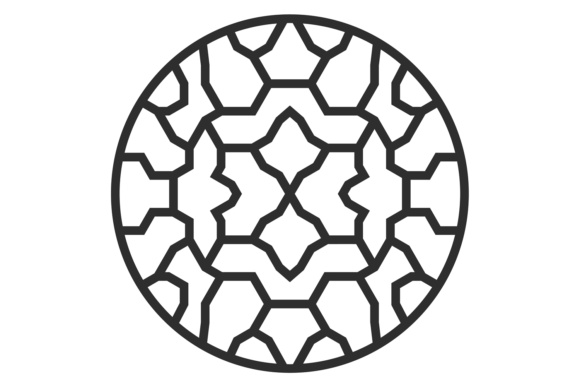
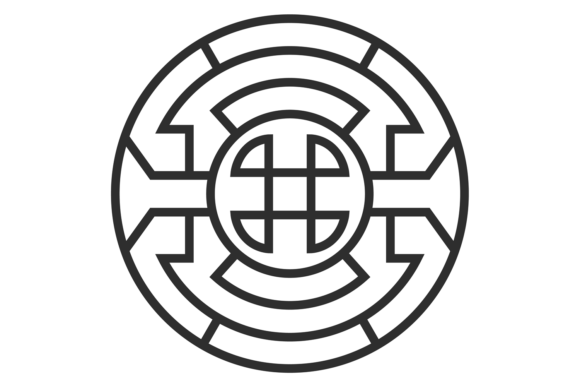
This isn't a font that whispers. Its visual weight is substantial, making it a premier display font. The overall style feels both ancient and modern, a bridge between traditional craftsmanship and contemporary design. The included colorful pattern variations, often provided as isolated elements on a white background in formats like EPS and JPG, are a standout feature. These assets allow designers to fill the letterforms with vibrant, textured color, transforming text into a piece of decorative art. The personality is unmistakable: it’s celebratory, spiritual, and full of narrative potential.
Where This Creative Font Truly Shines
Understanding a font’s personality is one thing; knowing where to deploy it is another. The African Ornament Mask is a specialist. It’s not for body text or lengthy paragraphs. Its strength lies in high-impact, short-form applications where its detailed artistry can be appreciated without causing visual fatigue.
- Branding & Identity: This is a natural home for the font. It’s perfect for creating a powerful logo design for businesses in the arts, cultural institutions, artisan crafts, fashion (especially Afro-centric or bohemian lines), music festivals, or specialty restaurants. It instantly communicates authenticity, tradition, and a bold brand story.
- Packaging Design: Imagine this typeface on a label for craft coffee, organic spices, handmade cosmetics, or premium chocolate. The decorative patterns add a layer of perceived quality and artisanship, telling a story of origin and care before the product is even opened.
- Editorial & Publishing: Use it for chapter headings in a book on cultural studies, for the title of a magazine feature about travel or art, or on the cover of a coffee-table book. In editorial design, it serves as a stunning focal point that sets the tone.
- Posters & Event Graphics: Concerts, gallery openings, cultural festivals, and theatrical productions benefit enormously. The font’s inherent energy and visual complexity make it ideal for creating posters that demand attention from a distance.
- Digital & Social Media: In the fast-scrolling world of social media graphics, a bold, unique font can stop the thumb. Use it for hero images on a website, as a stylized header in a video, or for key quotes in an Instagram story. It adds immense character to web design when used sparingly for headlines or call-to-action buttons.
Making Strategic Design Choices
Choosing a premium font like African Ornament Mask is an investment, both financially and creatively. Here’s how to approach it practically to ensure it elevates your project rather than overwhelming it.
First, evaluate the project’s core message. Does your brand or project align with themes of tradition, craftsmanship, culture, nature, or bold artistry? If yes, this font is a strong candidate. If your project demands a minimalist, corporate, or ultra-clean aesthetic, it’s likely not the right fit. This is a creative font for projects with a specific, strong visual voice.
Second, master the art of the font pairing. Because the African Ornament Mask is so detailed and stylized, it needs a quiet partner. Pair it with a clean, neutral sans serif font for body text (like Montserrat, Lato, or Open Sans) or a classic, highly readable serif font (like Georgia or Merriweather). Avoid pairing it with other decorative, script font, or handwritten font styles, as this will create visual chaos. The rule of thumb: let the ornament mask be the soloist, and let the supporting font be the steady rhythm section.
Third, always test for readability. While it’s a display font, ensure the specific words you set are legible at the intended size. Highly stylized letters can sometimes cause confusion between similar characters (like a decorative 'A' and 'R'). Print a test or view it at 100% on screen. For digital use, consider how it renders on different screens.
Finally, review the full package. A quality commercial font will often include multiple styles or weights, and in this case, those invaluable pattern fills. Understand what’s included: the base letterforms, the patterned versions, and any alternate characters. Check the licensing carefully—ensure it covers your intended use, whether for a single client project, unlimited commercial use, or for creating products for sale (like printables or merchandise). This due diligence protects you and respects the creator’s work, which is a cornerstone of professional brand identity work.
In a world saturated with generic modern typography, the African Ornament Mask stands apart. It’s a piece of design asset history, offering a direct link to a visual tradition that is both profound and exhilarating. Used thoughtfully, it doesn’t just spell out words—it tells a story, builds a world, and creates an unforgettable impression. For the designer or brand strategist seeking to build a truly distinctive and culturally resonant identity, it is an exceptional tool in the typographic arsenal.