Decorative Light Vector Illustration: Elevate Your Visual Storytelling
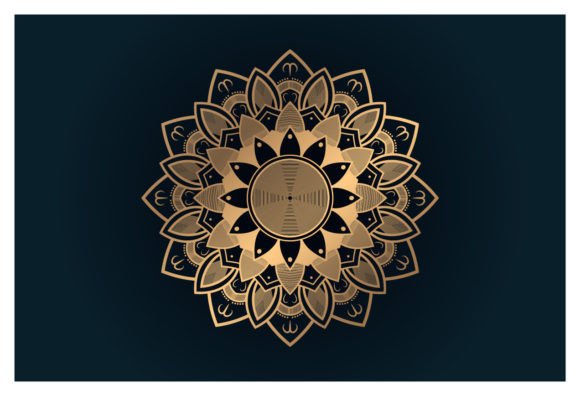
There’s a certain magic in designs that feel both intricate and effortless. That’s the space occupied by Decorative Light Vector Illustration. This isn’t just a collection of vector graphics; it’s a curated design asset that brings a distinct personality to projects. Imagine ornate, delicate linework with a modern, airy sensibility. The style often features flowing curves, botanical motifs, geometric patterns, or whimsical elements, all rendered with a light, refined touch. It avoids heavy, overwhelming detail, instead offering a sophisticated elegance that can elevate a brand or a personal creation without shouting for attention.
The Visual DNA: More Than Just Pretty Lines
Understanding the core visual characteristics of Decorative Light Vector Illustration is key to using it effectively. The "light" aspect is crucial. It implies a certain transparency, perhaps achieved through line weight, color palette (think muted pastels, soft metallics, or crisp monochromes), or negative space. The "decorative" nature means it’s built for embellishment—adding visual interest, framing content, or creating a cohesive theme. Because it’s vector-based, every element is infinitely scalable, making it a versatile tool for both a tiny favicon and a massive trade show banner. The personality is often modern yet timeless, blending contemporary design principles with classic decorative arts.
Where This Style Truly Shines
Knowing where to deploy Decorative Light Vector Illustration is half the battle. Its strength lies in projects where you need to convey quality, creativity, and a thoughtful aesthetic. Consider these applications:
- Brand Identity & Logo Design: This style can form the cornerstone of a brand's visual system. Use it for standalone logos, monograms, or as a supporting pattern library. It’s particularly effective for brands in wellness, boutique retail, artisanal goods, luxury services, and creative studios.
- Editorial & Packaging Design: For publishers and product-based businesses, these illustrations add a layer of sophistication. Think chapter headers in a book, spot illustrations in a magazine, or elegant border art on product packaging. It guides the reader's eye and establishes a premium feel.
- Digital Presence: In web design and social media graphics, Decorative Light Vector Illustration can break up text-heavy sections, create engaging hero images, or serve as unique backgrounds for quote cards. Its clean nature ensures it doesn’t compromise page load times or readability.
- Marketing Collateral & Personal Projects: From business cards and stationery to wedding invitations and personal blogs, this style adds a handcrafted, professional touch. Entrepreneurs and small business owners can use it to create a memorable, cohesive look across all customer touchpoints.
The Strategic Impact on Your Project
Choosing a design element like Decorative Light Vector Illustration is a strategic decision that influences far more than just aesthetics. It directly impacts how your audience perceives and interacts with your content.
Visual Hierarchy & Readability: Used thoughtfully, these illustrations create clear focal points. A well-placed decorative frame or a subtle background pattern can guide the viewer’s journey through your layout, making content more digestible. The key is balance—using the illustration to support, not compete with, your primary message.
Brand Perception & Recognition: Consistency is the bedrock of strong brand identity. When you integrate a specific illustration style like this into your logo, website, and social media, you build a recognizable visual language. It tells a story of craftsmanship and attention to detail, which can significantly influence how customers perceive your professionalism and value.
Audience Engagement: In a crowded digital landscape, unique visuals capture attention. The distinctive nature of a quality decorative vector set can stop the scroll, encourage a second look, and make your content more shareable. It transforms generic information into a memorable experience.
A Practical Guide to Selection and Use
Ready to incorporate this style? Here’s how to approach it like a seasoned designer or brand strategist.
- Evaluate the Fit: Does the illustration's mood align with your brand's voice? A whimsical, floral vector might not suit a tech startup, but it would be perfect for a bakery or a yoga studio. Look at the complexity. A highly detailed set might overwhelm a minimalist layout, while a simpler one could get lost in a vibrant design.
- Test Font Pairings: If the decorative elements include or will accompany typography, pairing is critical. A delicate, ornate illustration often pairs beautifully with a clean sans serif font for body text, creating a harmonious contrast. It can also complement a serif font for a more classic, editorial look. Avoid pairing it with an overly decorative script font unless you're aiming for a very specific, opulent style.
- Inspect the Package: When sourcing a premium font or illustration pack, review what’s included. Are there multiple versions (outline, filled, color)? Are the vectors organized in layers for easy editing? Is there a style guide showing recommended colors and applications? A well-thought-out package saves immense time.
- Consider Commercial Licensing: For any business use, from a client project to your own merchandise, ensure the license permits commercial use. Read the terms carefully. Can you modify the vectors? Are there restrictions on print run numbers or digital distribution? This due diligence protects you legally.
- Prioritize Readability: Always test your design at the intended size and medium. A intricate vector that looks stunning on a large monitor might become a muddy blob when printed small or viewed on a mobile screen. Ensure sufficient contrast and clarity.
Ultimately, Decorative Light Vector Illustration is a powerful tool in your creative arsenal. It’s not about following a trend, but about choosing a timeless element that adds depth, character, and a professional polish to your work. By understanding its strengths and applying it with intention, you can transform ordinary projects into extraordinary visual stories that resonate with your audience and build lasting brand equity.