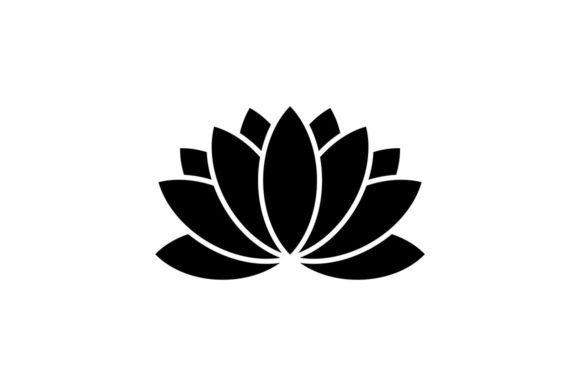
Exploring the Lotus Flower Decorative Silhouette Icon
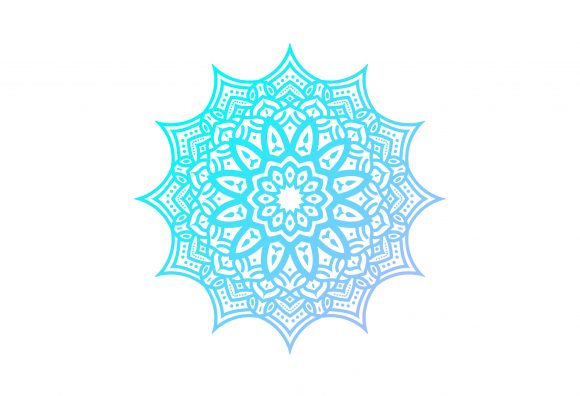
There's a certain calm authority in a well-executed silhouette. It strips away the noise, focusing on the pure, recognizable form of an object. The Lotus Flower Decorative Silhouette Icon does exactly this, capturing the elegant, layered geometry of the lotus in a bold, graphic style. This isn't just a simple outline; it's a premium font of visual language, rendered as a high-quality vector illustration. Its personality is one of serene sophistication, blending natural beauty with clean, modern design assets principles. The silhouette style gives it a timeless feel, making it as suitable for a luxury brand identity as it is for a wellness blog header.
A Vector Built for Versatility
The true power of this asset lies in its technical foundation. Delivered as a 100% vector file, it's infinitely scalable without a hint of pixelation. Whether you're stamping it onto a business card or projecting it onto a building facade, the lines remain crisp. The inclusion of an AI and EPS file ensures compatibility with industry-standard vector design software, while the SVG is perfect for web design implementation. The high-resolution PNG with a transparent background is a lifesaver for quick social media graphics or layering in Photoshop, and the JPEG provides a ready-to-use option for presentations or mood boards.
Practical Applications Across Projects
Where does a symbol like this truly shine? Its applications are broader than you might initially think. For a logo design, the lotus silhouette can form the core of a brand mark for yoga studios, spas, sustainable beauty brands, or any business aiming to project balance and growth. In editorial design, it serves as a powerful chapter opener or a recurring decorative element in publications about mindfulness, culture, or nature. Marketers can leverage it in packaging design for organic products, as a watermark on stationery, or as a standout icon in infographics. For content creators and bloggers, it's an instant upgrade for Pinterest pins, Instagram story highlights, or website favicons that demand attention.
Integrating the Icon into Your Visual Hierarchy
Using a strong decorative element like this requires a bit of strategy. Its bold silhouette naturally commands attention, so it works best as a focal point or a consistent branding element, not as a background texture. When paired with typography, consider contrast. The organic curves of the lotus pair beautifully with a clean sans serif font for a modern look, or with a refined serif font to enhance a classic, luxurious feel. Avoid pairing it with overly ornate script fonts or handwritten fonts that might compete for visual dominance. The goal is to create a harmonious font pairing where the icon and the typeface support each other, establishing a clear visual hierarchy that guides the viewer's eye.
Evaluating Fit and Ensuring Professionalism
Before you dive in, ask yourself a few questions. Does the lotus's symbolism of purity and enlightenment align with your project's core message? Does the silhouette style match the overall aesthetic you're building—be it minimalist, bohemian, or contemporary? Test it in context. Mock it up on your intended medium: a website header, a product label, a social media banner. See how it interacts with your color palette and existing design assets. Because it's a commercial font asset, you're investing in a tool that elevates the professionalism and recognition of your work. It brings a level of polish that a quick, generic clipart search simply cannot provide, reinforcing brand consistency and audience engagement through its deliberate, high-quality design.