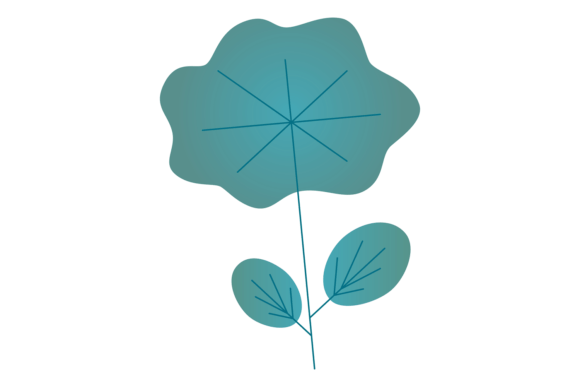
The Green Leaf Icon: Your Go-To for Organic Branding
In a digital world saturated with sharp edges and cold, geometric precision, there is a growing hunger for something softer, something more human. We crave connection to the natural world, a sense of calm and authenticity that cuts through the noise. This is precisely where a thoughtfully designed visual asset, like the Green Leaf Icon, finds its power. It’s more than just a simple vector; it’s a versatile tool for infusing life, growth, and organic elegance into any creative project. Think of it as a foundational element for a modern, nature-inspired brand identity.
More Than a Graphic: The Personality of a Natural Element
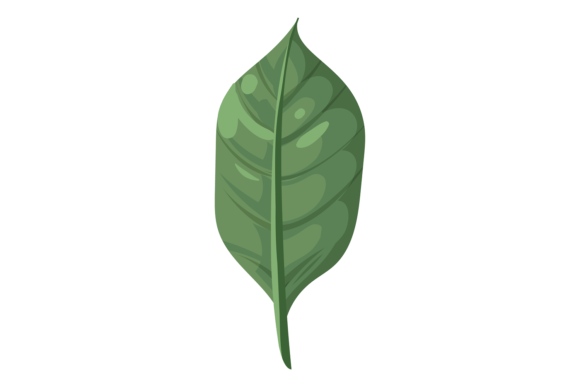
At first glance, the Green Leaf Icon is a clean, isolated botanical element, perfect for countless applications. Its visual strength lies in its simplicity and clarity. Rendered as a decorative floral nature element, it often features soft curves, delicate veins, and a form that feels both recognizable and stylized. This isn't a hyper-realistic photograph; it's a distillation of nature's beauty into a usable graphic.
The personality of this icon is inherently positive. It communicates growth, freshness, sustainability, health, and new beginnings. For a wellness brand, it suggests purity and natural ingredients. For a tech startup, it can symbolize growth, innovation rooted in solid foundations, or a commitment to green initiatives. The style is typically modern and clean, making it a fantastic design asset that avoids feeling dated or overly ornate. Its appeal is universal because the symbolism of a leaf is understood across cultures and demographics.
Where This Icon Truly Shines: From Screen to Print
The true value of a premium asset like the Green Leaf Icon is in its versatility. Because it’s often provided in multiple formats (like EPS for vector scalability and JPG for quick use), it integrates seamlessly into a designer's workflow. Its isolated nature on a white background makes it incredibly easy to extract and incorporate into complex layouts.
Consider its application across different mediums:
- Logo Design & Brand Identity: A single, elegant leaf can become the cornerstone of a logo for businesses in the wellness, eco-friendly, food, or beauty sectors. It’s a powerful way to build a cohesive brand identity that feels grounded and trustworthy.
- Web & Digital Design: Use it as a favicon, a loading animation, a section divider, or a subtle background pattern on a website. In social media graphics, it can act as a recognizable watermark or a recurring motif that strengthens brand recall.
- Editorial & Publishing: In editorial design, the icon can serve as a beautiful drop cap, a chapter opener, or a recurring decorative element in magazines, blogs, and book covers. It adds a touch of class without distracting from the content.
- Packaging & Print: For packaging design, particularly for organic foods, artisanal goods, or natural cosmetics, this icon is indispensable. It immediately communicates product values. It also works beautifully on stationery, business cards, and marketing collateral.
For entrepreneurs, bloggers, and small business owners, this type of asset is a game-changer. It allows for the creation of professional-looking materials without the need for a custom illustration for every single project. It's a building block for a consistent and professional visual presence.
Using Nature's Elements with Strategic Intent
While the Green Leaf Icon is visually appealing, its effectiveness depends on strategic implementation. It’s a creative font in the sense that it’s a creative tool with its own voice, and it must be used thoughtfully to enhance, not clutter, your design.
First, consider the context. A delicate, single-line leaf icon might pair well with a light, elegant sans serif font for a yoga studio's website. A bolder, more stylized leaf could complement a strong serif font for an organic winery's label. This is where the art of font pairing comes into play; the icon should feel harmonious with the typography you choose. The goal is to create a unified visual language.
Second, think about visual hierarchy. The icon should support your message, not compete with it. Using it as a small accent near your logo reinforces your brand, while using it as a large, central image sets a completely different tone. Its influence on readability is indirect but important; a well-placed icon can guide the reader's eye and break up large blocks of text, making the overall layout more inviting.
Finally, always respect the licensing. A premium font or graphic asset like this typically comes with a license that outlines its permitted uses, especially for commercial projects. Understanding whether it's for personal use or a commercial font and graphic license is crucial for avoiding legal issues down the line. Always review the terms before incorporating it into a client's logo or a product for sale.
A Final Thought on Authentic Connection
In the end, the Green Leaf Icon is a bridge. It connects your brand's message to the timeless, positive associations we all have with the natural world. It’s a small detail that can have a significant impact on how your audience perceives your brand identity—as being more authentic, thoughtful, and connected to what matters. By choosing the right context, pairing it with complementary design elements, and using it consistently, you transform a simple graphic into a powerful symbol of your brand's core values. It’s a practical, beautiful tool for any creator looking to add a touch of organic elegance to their work.